
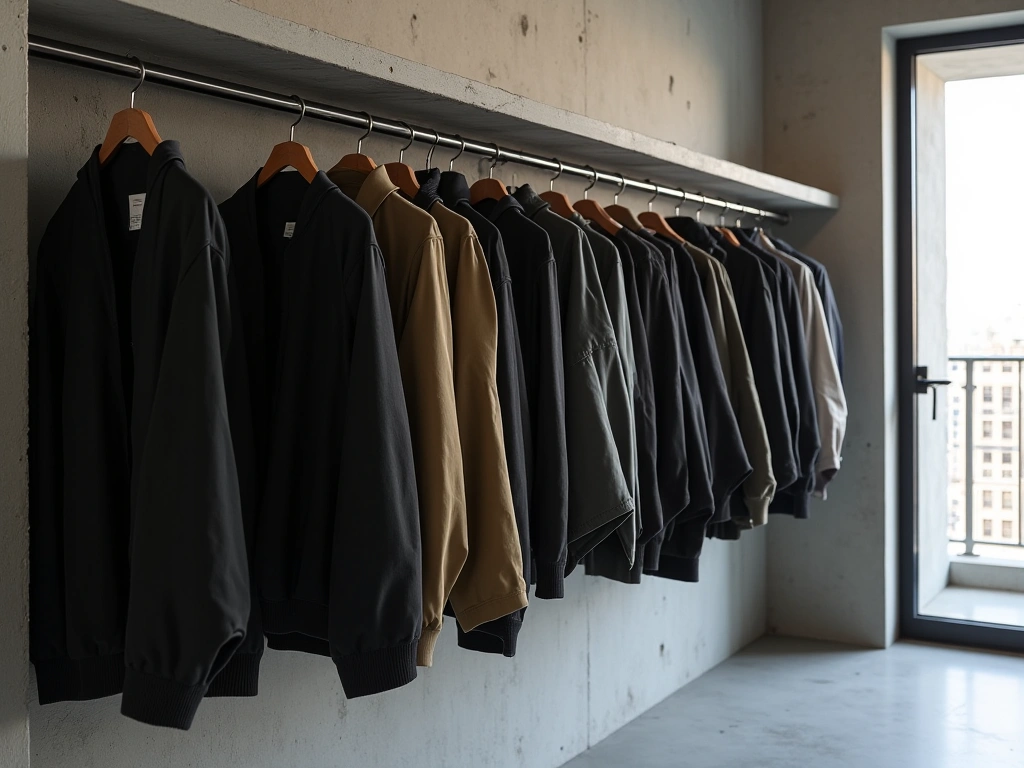
Techwear represents a significant evolution in the fashion industry, merging high-performance utility with avant-garde aesthetics. While technology influences many aspects of modern life, this guide focuses specifically on the apparel sector. Techwear transforms everyday clothing into functional equipment designed to withstand the rigors of urban environments and unpredictable weather.
At its core, this genre of clothing prioritizes utility above all else. It utilizes advanced textiles, specialized construction techniques, and innovative pattern cutting to provide superior breathability, water resistance, and range of motion. The goal is to create a seamless interface between the wearer and their environment.
The appeal of forward-thinking clothing that offers both durability and comfort is undeniable. However, the terminology and vast array of specialized fabrics can be intimidating for newcomers. This guide breaks down the essential components of technical apparel.
Technical Aspects of Modern Apparel
The primary philosophy behind techwear is problem-solving through design. Whether the goal is to carry more daily essentials securely or to remain completely dry during a torrential downpour, technical clothing aims to make life easier. It borrows heavily from military, outdoor, and sportswear industries to create garments suitable for daily urban use.
Unlike traditional fashion, which often prioritizes form over function, techwear demands that every zipper, pocket, and seam serves a distinct purpose. In the following sections, we will explore the specific properties that define this unique category of clothing.
Water Resistance and Enhanced Properties
When most people imagine technical gear, they immediately think of waterproofing. High-quality water-resistant garments allow commuters and urban explorers to function effectively outdoors, regardless of the elements. This protection is achieved through advanced material science.
Industry leaders like W.L. Gore & Associates revolutionized the market with Gore-Tex, a membrane technology that uses expanded polytetrafluoroethylene (ePTFE). This material is fascinating because it contains billions of microscopic pores per square inch. These pores are small enough to block liquid water droplets from entering but large enough to allow water vapor (sweat) to escape.
Beyond the membrane itself, many technical garments are treated with a Durable Water Repellent (DWR) coating. This chemical treatment forces water to bead up and roll off the outer fabric face, preventing saturation. While waterproofing is the most famous attribute, other enhanced properties include abrasion resistance, UV protection, and anti-microbial treatments to prevent odors during prolonged wear.
Range of Motion and Comfort
A critical but often overlooked aspect of comfort is breathability. In technical apparel, breathability refers to the fabric’s ability to transmit moisture vapor away from the body. This is essential for maintaining a stable body temperature during high-activity transitions, such as moving from a cold street to a heated subway car.
If a garment traps heat and sweat, the wearer will quickly feel clammy and cold once they stop moving. True technical gear regulates this microclimate. It is not enough for a jacket to simply block rain; it must actively manage the internal environment to keep the user comfortable.
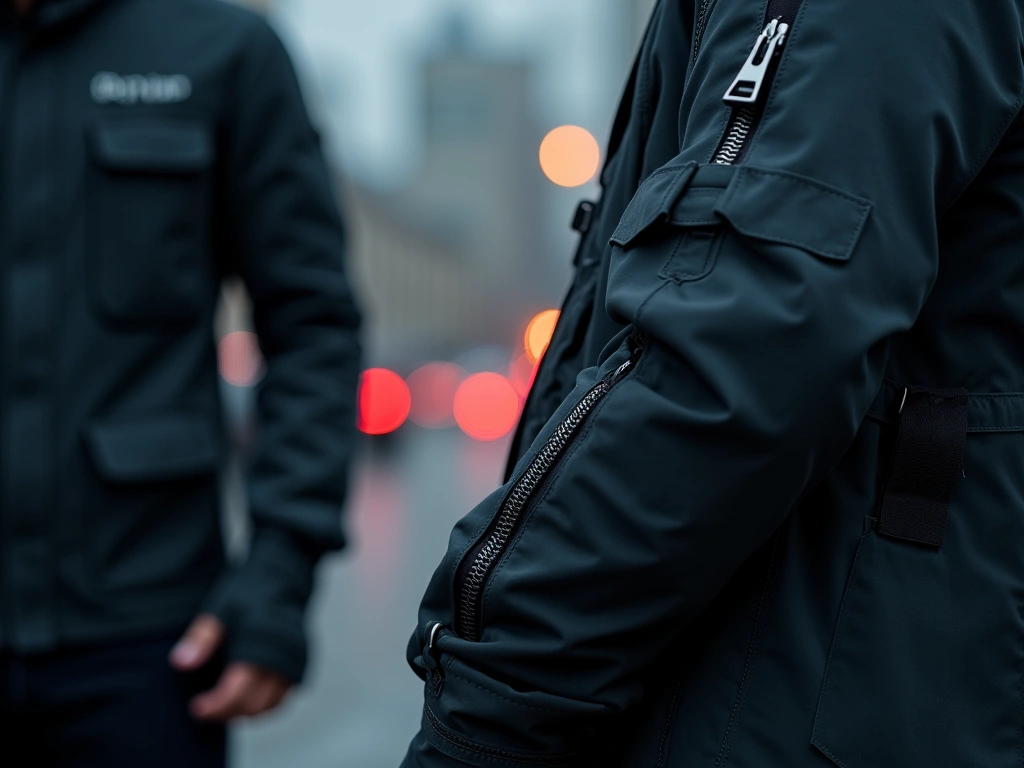
Furthermore, standard fashion often relies on flat, two-dimensional pattern cutting that restricts movement. Techwear utilizes anatomical or articulated patterning to enhance mobility. Brands like Acronym and Arc’teryx Veilance design garments with pre-shaped joints, such as articulated knees and gusseted underarms. This construction allows for a full range of motion without the fabric pulling, bunching, or riding up.
Carrying Capacity and Storage Solutions
Storage is a defining characteristic of the techwear aesthetic. Modern life requires us to carry an increasing number of devices, from smartphones and power banks to tablets and charging cables. Technical apparel addresses this need through intelligent pocket configuration and modular systems.
Designers often implement gravity pockets, fast-access zippers, and internal organizers to distribute weight evenly across the body. This prevents the silhouette from looking bulky while ensuring essential items are always within reach. Some garments even feature modular attachment points, similar to the military MOLLE system, allowing users to attach extra pouches as needed.
The combination of waterproof textiles and well-designed carrying capacity means you can transport expensive electronics with peace of mind. Backpacks and messenger bags in this niche often feature dedicated laptop sleeves, magnetic buckles for quick access, and high-tenacity fabrics like X-Pac or Cordura for ultimate durability.
Techwear Categories
The world of technical apparel is vast, with numerous manufacturers catering to different needs and budgets. If an item of clothing exists, there is likely a technical version of it that improves upon the original design. Understanding the layering system is key to maximizing the benefits of techwear.
Cool Techwear for Outdoors: Hardshells and Softshells
Outerwear is generally categorized into two distinct types: hardshells and softshells. Understanding the difference is vital for choosing the right gear for your climate.
Hardshells are the heavy-duty armor of the techwear world. They are designed to provide an impenetrable barrier against wind, heavy rain, and snow. These jackets typically lack insulation, serving strictly as a protective shell. If you are facing a blizzard or a severe thunderstorm, a hardshell with taped seams is the mandatory choice.
Softshells offer a balance between protection and comfort. They are generally water-resistant rather than fully waterproof, making them ideal for light rain or snow. The advantage of a softshell is its flexibility and breathability. They are softer to the touch, quieter when moving, and often provide more warmth than a hardshell, making them excellent for active use in variable conditions.
Fleece and Mid Layers
The mid-layer is the engine room of the layering system, responsible for trapping body heat. These garments, often referred to as fleeces or insulators, are worn beneath a shell to provide thermal regulation. They range from lightweight merino wool hoodies to high-loft synthetic down vests.
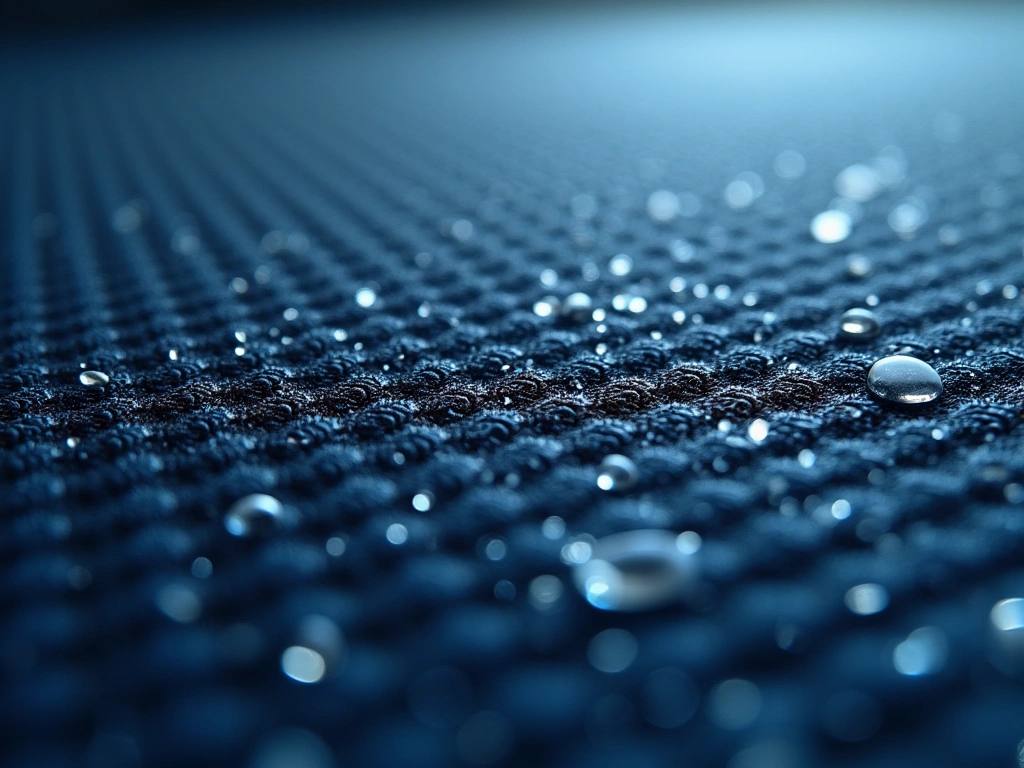
Modern mid-layers often utilize advanced synthetic insulations like Primaloft or Polartec Alpha. These materials retain warmth even when wet, a significant advantage over traditional down. Many technical systems feature modular liners that can be zipped or snapped into an outer shell, allowing the wearer to adapt their insulation level based on the current temperature.
Techwear Accessories
Accessories are often the entry point for many enthusiasts. Footwear, in particular, has seen massive innovation. Brands like Nike ACG, Adidas Terrex, and Salomon have pushed the envelope with sneakers that feature waterproof Gore-Tex liners, rugged traction outsoles, and quick-lacing systems.
Beyond footwear, technical accessories have evolved to streamline the daily commute. Modern bags are engineered with specific compartments for technology, separating wet gym gear from laptops. Durability is paramount, with designers favoring ballistic nylon and ripstop fabrics that can withstand years of daily abuse without failing.
Base Layer
The base layer is the foundation of any technical outfit because it sits directly against the skin. Its primary role is moisture management rather than insulation. If sweat sits on the skin, it cools the body down rapidly, defeating the purpose of the outer layers.
Merino wool and advanced synthetic blends are the materials of choice for base layers. Merino is naturally anti-microbial, resisting odors even after days of wear, and it regulates temperature effectively. Synthetics, on the other hand, excel at wicking moisture away from the skin and drying incredibly fast.
Techwear Pants
Technical trousers have gained significant momentum in the fashion industry, moving beyond simple hiking pants to become stylish urban staples. Techwear pants combine the utility of cargo trousers with the tailored fit of streetwear.
These garments often feature DWR coatings to shed light rain and spills. Key features include articulated knees for movement, magnetic buckle belts for quick adjustment, and dedicated pockets for smartphones. The fabrics used are often stretch-woven nylons that provide durability without restricting the wearer’s stride.
Techwear extends beyond fashion; it is a mindset of preparedness. From medical professionals requiring fluid-resistant scrubs to fitness enthusiasts using smart fabrics to track biometrics, the integration of technology into clothing is reshaping how we interact with the world.
Manufacturers
The landscape of technical apparel includes both heritage outdoor brands and avant-garde fashion houses. Major players in the sportswear industry have dedicated lines for this niche, such as Nike’s ACG (All Conditions Gear) and Adidas’ Y-3 line.
On the high end, brands like Acronym, Stone Island Shadow Project, and Arc’teryx Veilance set the standard for innovation, often introducing new closure systems and fabric technologies that eventually trickle down to the mass market. Exploring these manufacturers reveals a spectrum of options, from purely functional outdoor gear to highly stylized urban armor.


