The action camera market has seen rapid evolution over the last decade, with devices becoming smaller, faster, and more capable of capturing cinema-quality footage. Among the notable contenders in the early era of Ultra HD recording was the AEE S71 Action Camera. This device was designed to be a flexible Ultra HD performer, capable of recording activities in a variety of resolutions including 4K, 2.7K, 1080p, 960p, and 720p.
For enthusiasts who owned this system, the S71 established a high standard for camera flexibility and modular design. While the technology landscape has shifted, understanding the capabilities of the S71 helps in appreciating what to look for in today’s high-performance alternatives.
The Legacy of the AEE S71 Action Camera
The AEE S71 was marketed as a world-class super high-definition motion digital camera. At the time of its release, it offered specifications that rivaled the market leaders. The ability to shoot in 4K was a headline feature, even if it was limited to lower frame rates compared to modern standards.
One of the standout features of the S71 was its modularity. The system included a detachable 2-inch Liquid Crystal Display (LCD) color visual display unit. This allowed users to frame shots accurately or remove the screen to save battery life and reduce the camera’s profile.
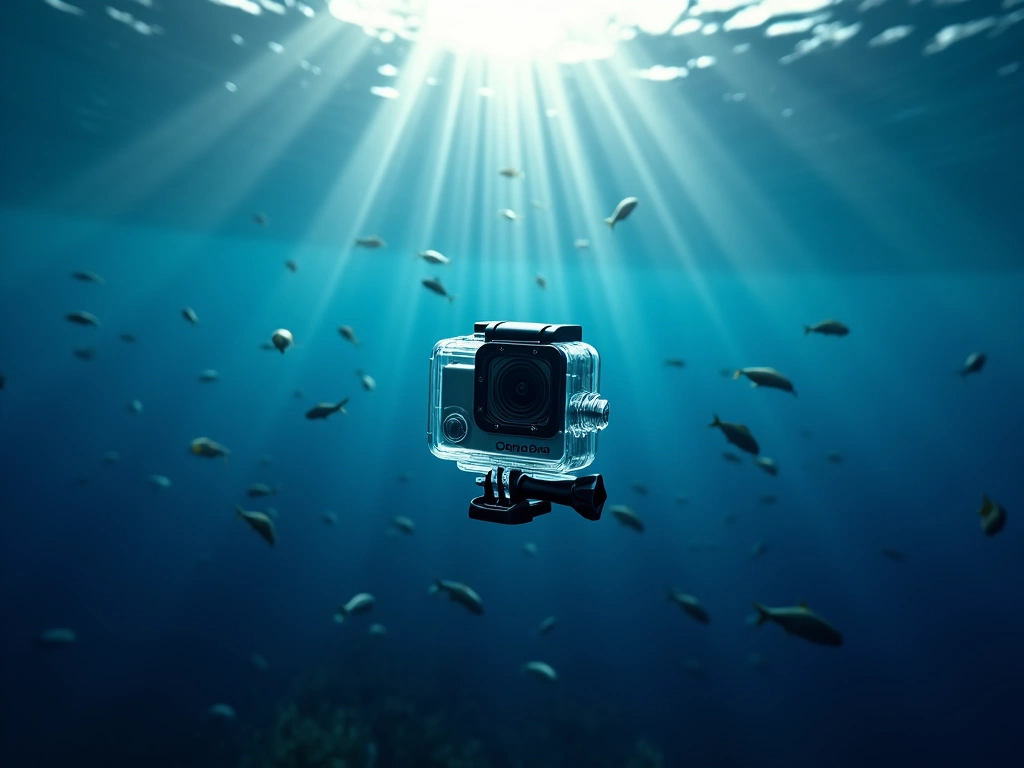
The camera was also filled with remarkable capabilities regarding durability. It came with a robust waterproof, dustproof, and shockproof case. With this housing, the unit was rated to withstand depths of up to 100 meters (328 feet), a specification that exceeds many standard action cameras today.
Technical Specifications and Performance
The core of the AEE S71 was its 1/2.3-inch CMOS sensor, capable of capturing 16-megapixel still photos. This sensor size allowed for decent low-light performance and dynamic range for its time. The lens offered a 147-degree ultra-wide viewing angle, ensuring that peripheral action was captured in the frame.
In terms of video, the S71 offered versatility. Users could record 1080p at 60 frames per second (fps) for smooth slow-motion playback. For higher resolution needs, 2.7K and 4K modes were available, providing sharper details for landscape shots and stationary recording.
The device also featured a G-sensor. This allowed for automatic recording triggers based on movement, a feature highly valued by automotive and extreme sports enthusiasts. The inclusion of a high-capacity 1500mAh battery provided respectable recording times, often outlasting competitors in the same price bracket.
Why the Action Camera Market Evolved
While the AEE S71 was a powerful tool, the demands of content creators have pushed technology forward. Modern action cameras focus heavily on image stabilization and higher frame rates. The S71 relied on physical stability, whereas newer models utilize advanced Electronic Image Stabilization (EIS) algorithms.
Connectivity has also seen a major upgrade. The S71 featured Wi-Fi for remote control via a smartphone app. Today’s cameras offer faster transfer speeds, voice control, and seamless live-streaming capabilities directly to social media platforms.
Furthermore, the user interface has become more intuitive. Touchscreens are now standard, replacing the button-heavy navigation of older models. This allows for quicker setting changes on the fly, ensuring you never miss a critical moment.
Choosing a Modern Replacement
If you are looking to replace an aging AEE S71 or purchase a new action camera, there are several key factors to consider. First, look for 4K recording at a minimum of 60fps. This ensures that fast-paced action remains fluid and crisp without motion blur.
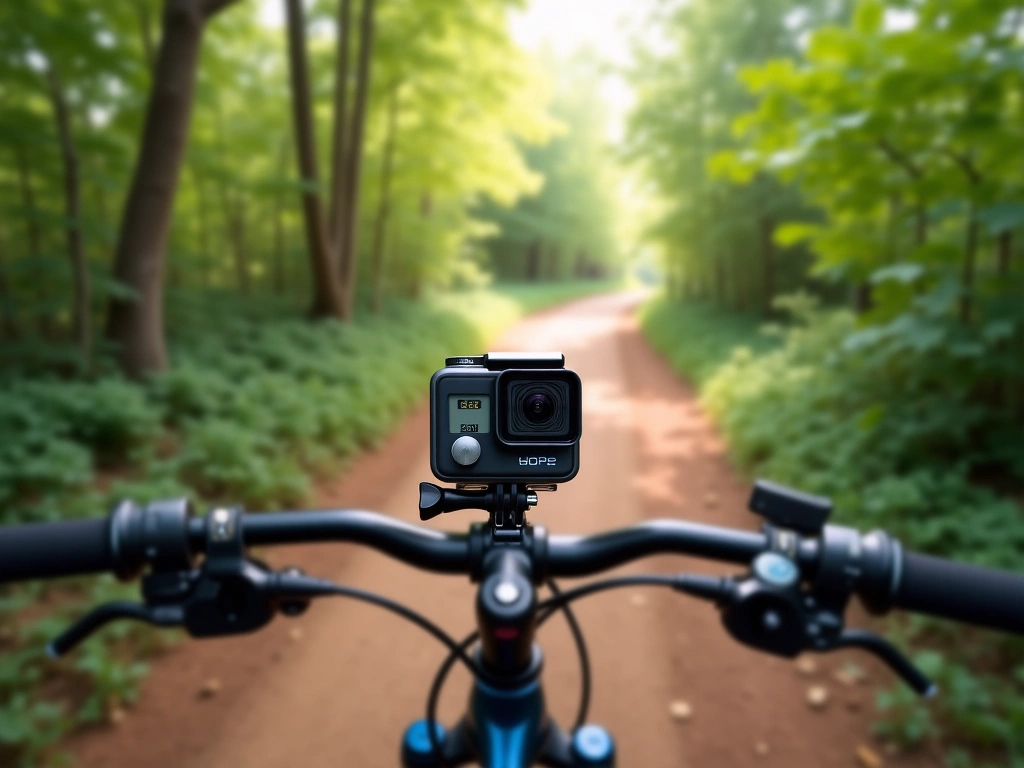
Second, prioritize stabilization. Technologies like HyperSmooth or RockSteady have revolutionized handheld footage, eliminating the need for bulky gimbals. This is essential for activities like mountain biking, running, or skiing.
Finally, consider the ecosystem. A camera with a standard 1/4 inch tripod bracket or a universal mounting system ensures compatibility with a wide range of accessories. This allows you to reuse existing mounts you may have purchased for your S71.
Top Alternatives Available Today
Since the AEE S71 has been discontinued, support and accessories have become difficult to find. Fortunately, the market is filled with excellent alternatives that honor the legacy of the S71 while providing modern conveniences.
Current models offer superior waterproofing without the need for external housings, often down to 10 meters (33 feet). For deeper dives, protective housings are still available. The shift to USB-C charging and faster memory card support also improves the overall workflow for editors and videographers.
It’s unfortunate to hear that the AEE technology has been discontinued. As requested, here is an updated list of some popular action cameras currently available in the market that offer similar or superior features to the S71.