
The Rise of Wearable Engineering
Wearable engineering has permeated every aspect of modern life, transitioning from novelty gadgets to essential daily tools. It is found on your wrist as a high-performance fitness tracker or smartwatch, and it is increasingly integrated into footwear and apparel. This technology is no longer just an accessory; it is a fundamental part of how we interact with the world.
From smart glasses to biometric sportswear, these devices introduce new capabilities and resources to day-to-day living. They allow users to track performance, monitor wellness, and stay connected without being tethered to a smartphone. The integration of technology into personal items has created a seamless interface between the digital and physical worlds.
Any technological innovation you wear qualifies as wearable technology, but the definition has expanded significantly. Today, it is most commonly defined as garments and accessories that combine sophisticated circuitry with practical utility. These items are created from technologically significant materials or designed to house advanced sensors.
Examples include accelerometers and tilt sensors embedded in running shoes to analyze gait, or LEDs integrated into dresses for aesthetic or safety purposes. We even see Peltier modules used in jackets for active temperature regulation. T-shirts featuring print styles designed by complex computer algorithms are bridging the gap between fashion and engineering.
A New Medium: Closeness to the Body
It is new, it is diverse, and it is often undervalued. Wearable engineering is a medium characterized by its physical proximity to the user. Unlike a smartphone that sits in a pocket, a wearable device is in constant contact with the skin, or in some advanced medical cases, embedded as subdermal implants.
This proximity makes wearable technology uniquely suited for continuous measurement and monitoring of body states. Unlike traditional medical technology, which is often bulky and used only in clinical settings, wearables are integrated into the wearer’s daily lifestyle. This allows for the collection of readings over extended periods, providing a holistic view of health trends.
These devices can respond to body movements and biometric shifts in real-time. By monitoring heart rate variability, oxygen saturation, and sleep patterns, they provide users with actionable insights into their overall well-being. This continuous data stream helps individuals make informed decisions about their fitness and recovery routines.
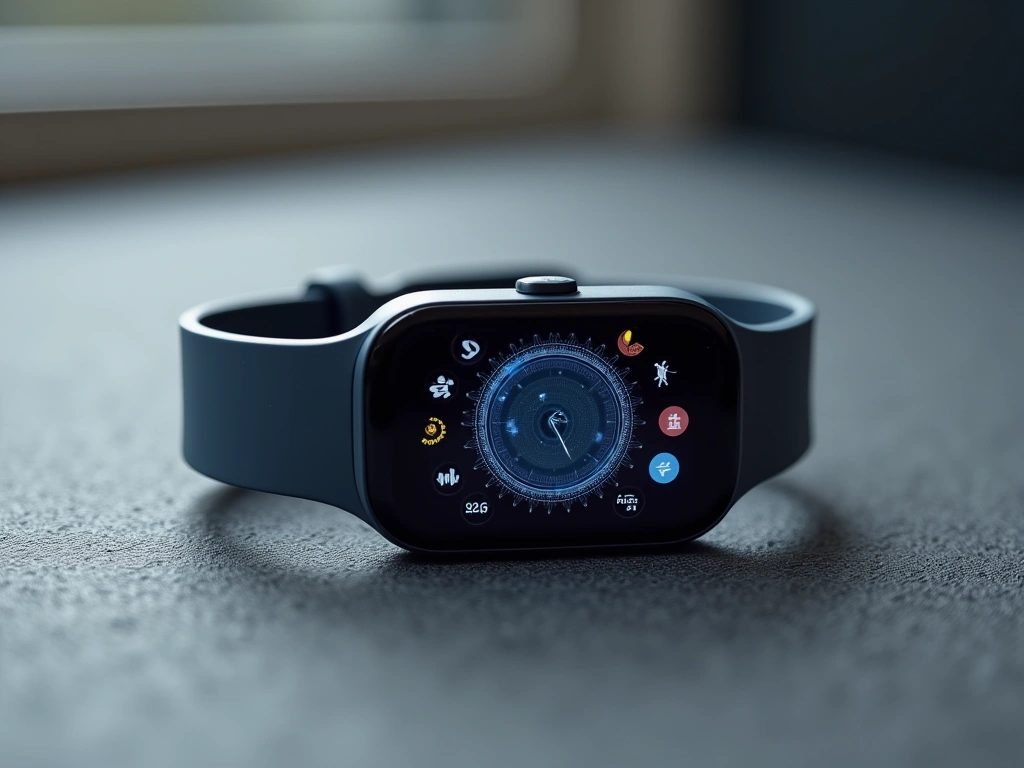
Performance Tracking: The Garmin Forerunner 15
Typical of devices that perform closely to a manufacturer’s rigorous specifications for sporting enthusiasts is the Garmin Forerunner 15. This device exemplifies the core utility of fitness wearables: durability, precision, and purpose-built functionality.
The capabilities of the Forerunner series allow the user to adapt to wearable technology’s most desirable attributes. It becomes intimately and innately sensitive to the user’s pace, distance, and heart rate zones. For runners and cyclists, this data is not just interesting; it is essential for training progression.
Devices like the Forerunner 15 highlight the shift from general-purpose gadgets to specialized tools. They offer GPS tracking and long battery life, features that are critical for endurance athletes. This reliability builds a trust relationship between the user and the technology.
Miniaturization and Sensor Technology
Technical advances have enabled the rapid miniaturization of these devices. Components that once required significant space have shrunk to microscopic sizes, allowing for the development of unobtrusive sensors and cameras. Due to their small size, these sensors can be placed almost anywhere to capture actions that would have otherwise been considered impractical to record.
This miniaturization extends to optical heart rate sensors, gyroscopes, and barometric altimeters. These components work in unison to create a comprehensive picture of the user’s activity. The ability to pack this much processing power into a device the size of a coin has revolutionized the industry.
Unconscious Gestures and Biometrics
Wearable technology excels at interpreting the unconscious gestures of a user. While our conscious actions are deliberate, our physiological functions, micro-movements, and reactions are often left to our unconscious to decide and execute. Wearables capture this data without requiring active input from the user.
Our unconscious actions often have faster reaction times and unhindered initiation. They possess a more undiluted meaning regarding our physical state. For example, a sudden spike in heart rate or a change in skin temperature can indicate stress or excitement before the user is cognitively aware of it.
Wearable technologies are in a literally unique position to monitor these actions. By extracting valuable information from these subtle cues, smart devices can offer coaching advice, stress management techniques, or safety alerts. This passive data collection is what makes modern wearables so powerful.
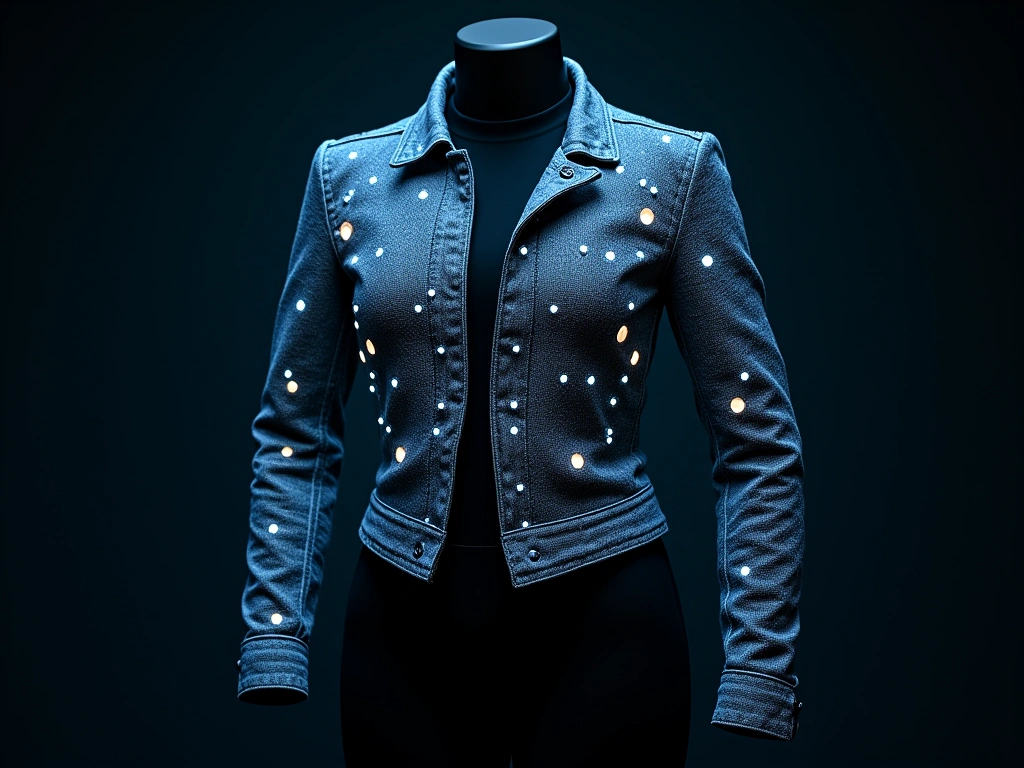
The Smartwatch: Fashion Meets Function
The Smartwatch attracts the most elegant of designs because it is expected to be worn everywhere, from the gym to the boardroom. The popularity of the Apple Watch is confirmation that appearances and the desirability of design can win over absolute functionality. It proved that a tech device could also be a status symbol and a fashion accessory.
Consumers demand devices that look as good as they perform. The challenge for engineers and designers is to pack complex circuitry into a chassis that respects the traditions of horology. The result is a new category of jewelry that serves as a digital assistant.
Design Innovation: The Moto 360
Another watch which confirms the importance of aesthetics is the Motorola Moto 360 Smartwatch. Despite some early technical limitations, it scored very well with users because of its form factor. Its large, circular watch face combined with excellent style and first-class materials won significant support.
The Moto 360 challenged the square-screen norm of early smartwatches. It demonstrated that users craved a device that looked like a traditional timepiece but acted like a computer. This emphasis on design forced the entire industry to elevate the visual quality of wearable tech.
The Future of Wearable Tech
The purpose, therefore, is to build beauty, build utility, and produce usability. In other words, we must build wearable technology that does a lot more than act as a flashlight or a notification buzzer. The goal is to produce wearable engineering that inspires, intrigues, and enhances the users’ daily life.
We have developed an exclusive medium with as yet unimagined possibilities. Future developments will likely focus on even greater integration, such as energy harvesting from body heat or seamless augmented reality overlays. As battery technology improves and sensors become even more accurate, the line between the user and the device will continue to blur.
Whether for medical monitoring, athletic training, or simply staying connected, fitness smartwatches have proven their value. They are not just gadgets; they are companions in the pursuit of a healthier, more efficient life.


